Architectural shingles
Laminated construction gives the roof a dimensional profile. Product-specific fastening, accessory and warranty requirements still matter.

If repairs are no longer giving the roof a dependable path forward, it may be time to plan a replacement. Start with a free inspection of your Benbrook roof.
Replacing shingles changes the surface you see. A complete roof replacement also needs to deal with the surface beneath them and the joints that keep water moving away from the house.
An old roof can have more than one weakness: worn shingles on the field, failed flashing at a wall and soft decking near an old leak. Installing new covering while leaving those problems in place misses the purpose of the project.
A free inspection helps establish why replacement is being considered and what the visible roof can tell us before removal. The final work plan should account for the layers, details and conditions the new roof depends on.
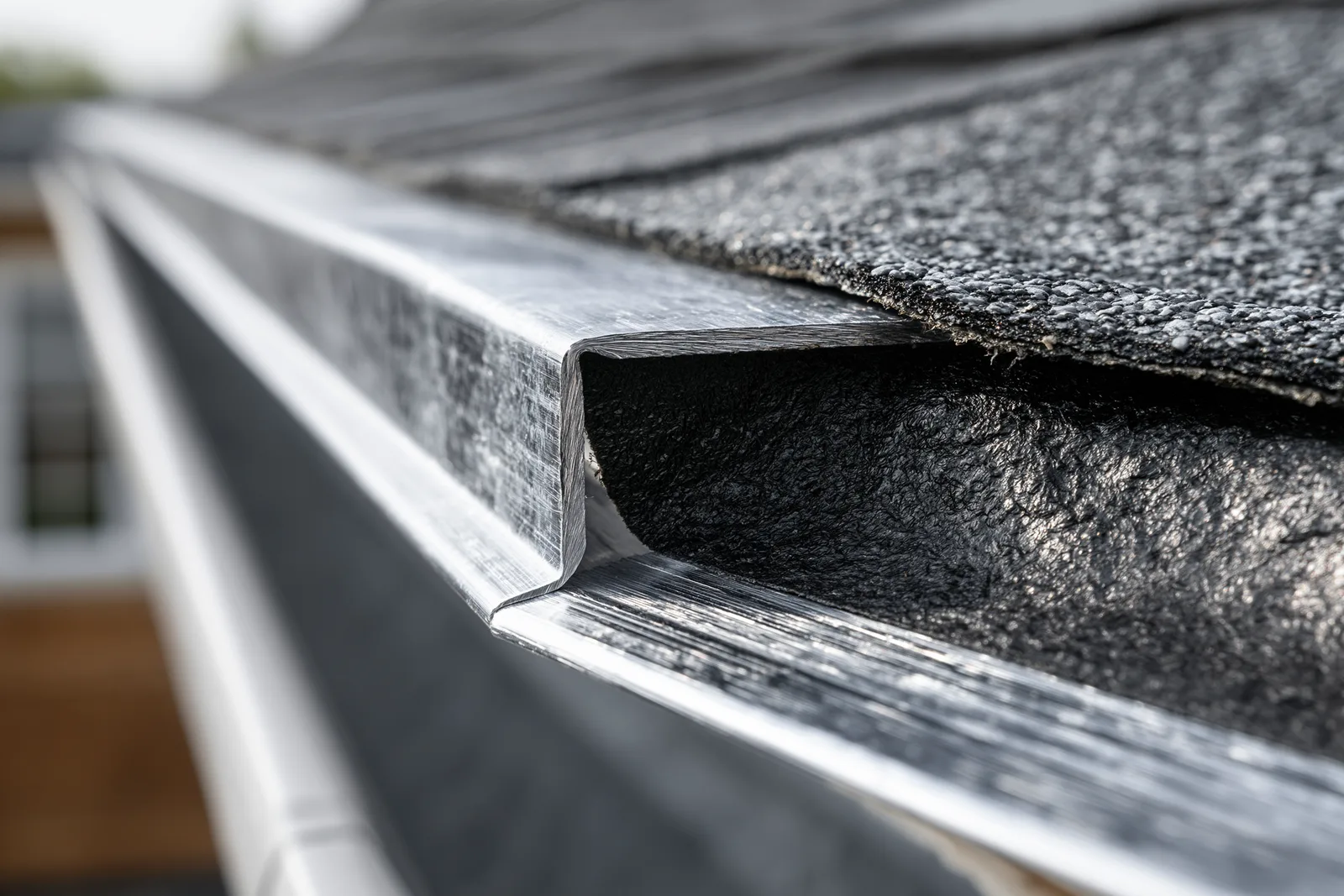
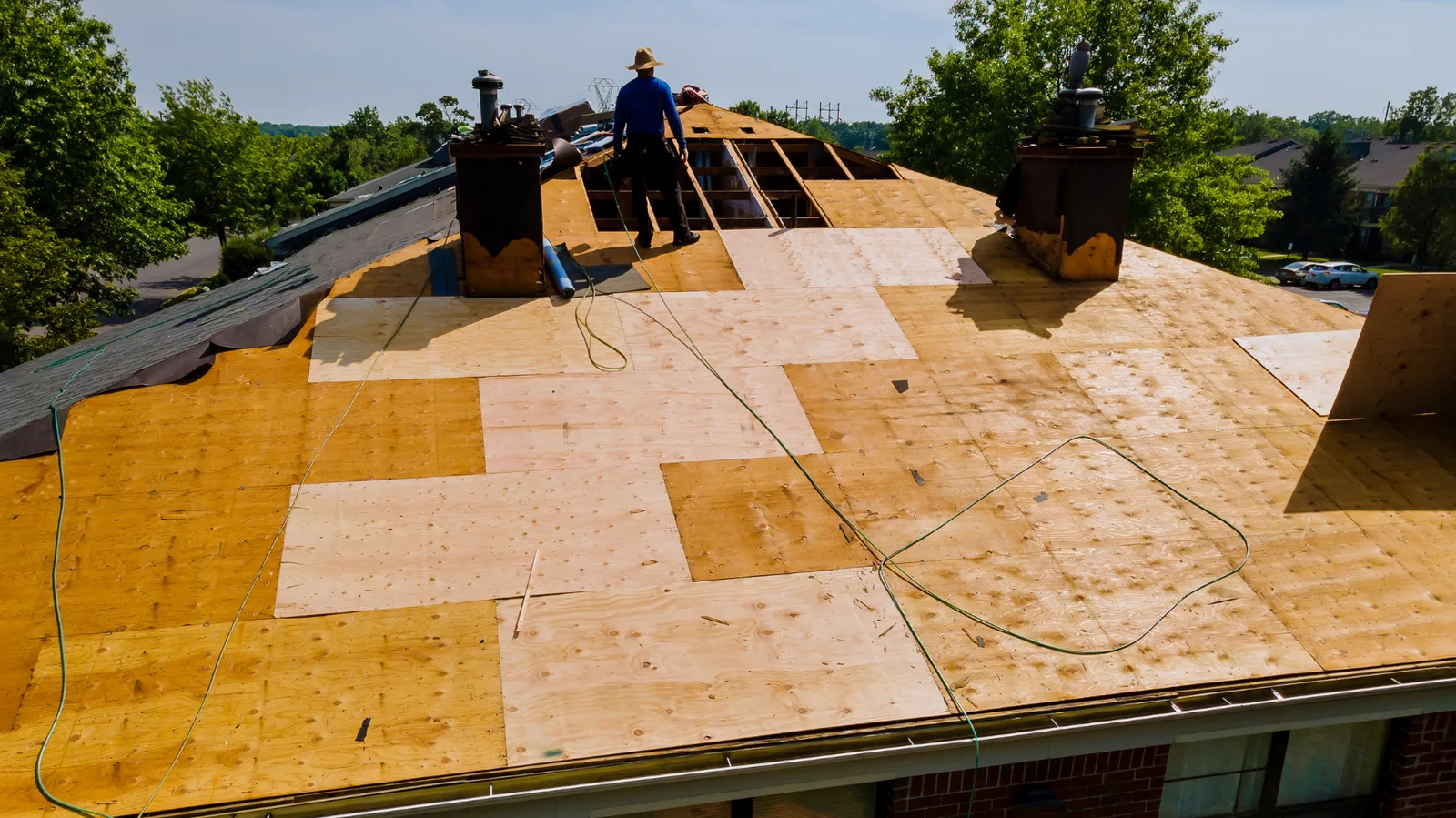
The deck is largely hidden until old roofing is removed. A roof walk can identify warning signs, but it cannot make every concealed layer visible. Soft, delaminated or deteriorated wood may need replacement before new underlayment and shingles are installed.
The scope should explain how that additional work is measured and authorized if it is found. The reason is practical: a new shingle cannot perform as intended when its fasteners are anchored in unsound material.
The material decision includes appearance, construction and performance. Keep them separate so the option you choose addresses the reason you want it.
Laminated construction gives the roof a dimensional profile. Product-specific fastening, accessory and warranty requirements still matter.
A different shape or deeper visual texture can change the appearance of a prominent roof. Weight, application details and project cost should be considered with the look.
An impact test classification can inform the choice in a hail-prone region. It does not make a roof hail-proof or guarantee an insurance discount.
Material delivery, disposal, driveways and vulnerable areas around the house need a place in the work plan. Mention access limits and household concerns early.
Tear-off exposes the deck. Unsound areas must be addressed before the next layers conceal them again.
Underlayment, flashing, covering and accessories must work together. The roof’s geometry and selected product determine the details.
Cleanup, remaining concerns and the written project and warranty terms belong in the closeout discussion.
A roof price is based on the actual roof and the work it needs. The roof cost guide explains why a house’s living area is not a roof measurement.
Roof area, slope, hips, valleys and penetrations change both material quantities and labor.
Additional removal layers, deck replacement and damaged edges can increase the project beyond the visible shingles.
Product selection, staging space, height and disposal conditions change the installed total. A material-only number leaves much of the job unpriced.
Sometimes, if the remaining roof is serviceable and the transition can be made properly. Appearance and the condition of adjoining materials also matter. Our repair or replace guide covers partial-slope decisions.
That depends on the property and the work. Noise, access restrictions and activity around the building can disrupt normal use. Discuss household needs, pets and safe entry arrangements before work begins.
The property jurisdiction and exact work determine the requirements. The Benbrook permit guide points to the City’s current building resources; a mailing address alone does not settle jurisdiction.
No. A product or workmanship warranty covers the failures described in its terms. Insurance addresses covered losses under the policy. See roof warranty differences before treating either as blanket protection.
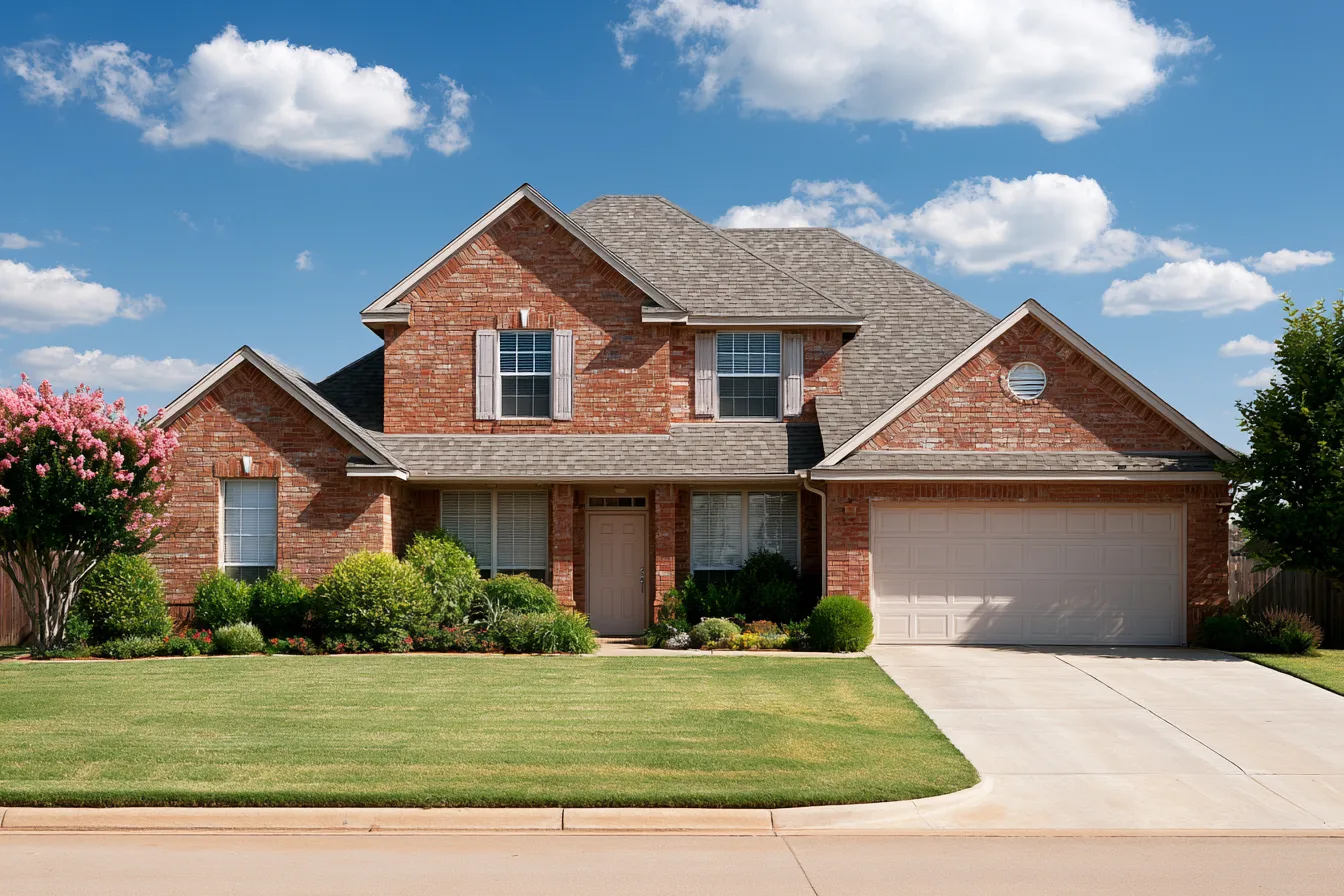
Tell us what is happening with the existing roof and what you hope the next one will solve. Request a free inspection to begin.