Natural roof boundaries
A ridge, valley or other transition can provide a practical place to connect old and new work. The detail at that boundary still needs to be sound.
A repair is worthwhile when it solves the defect and reconnects to a serviceable roof. Learn what changes that answer before committing to a larger project.
You should not have to choose a new roof simply because a leak appeared. You also should not keep paying for patches that cannot connect to sound material. The useful distinction is whether the proposed work can restore a functioning part of the existing roof.
That takes more than knowing the roof’s age. The roofer needs to consider the defect, adjacent covering, decking and reason the problem occurred. The questions below explain how those observations change the decision.
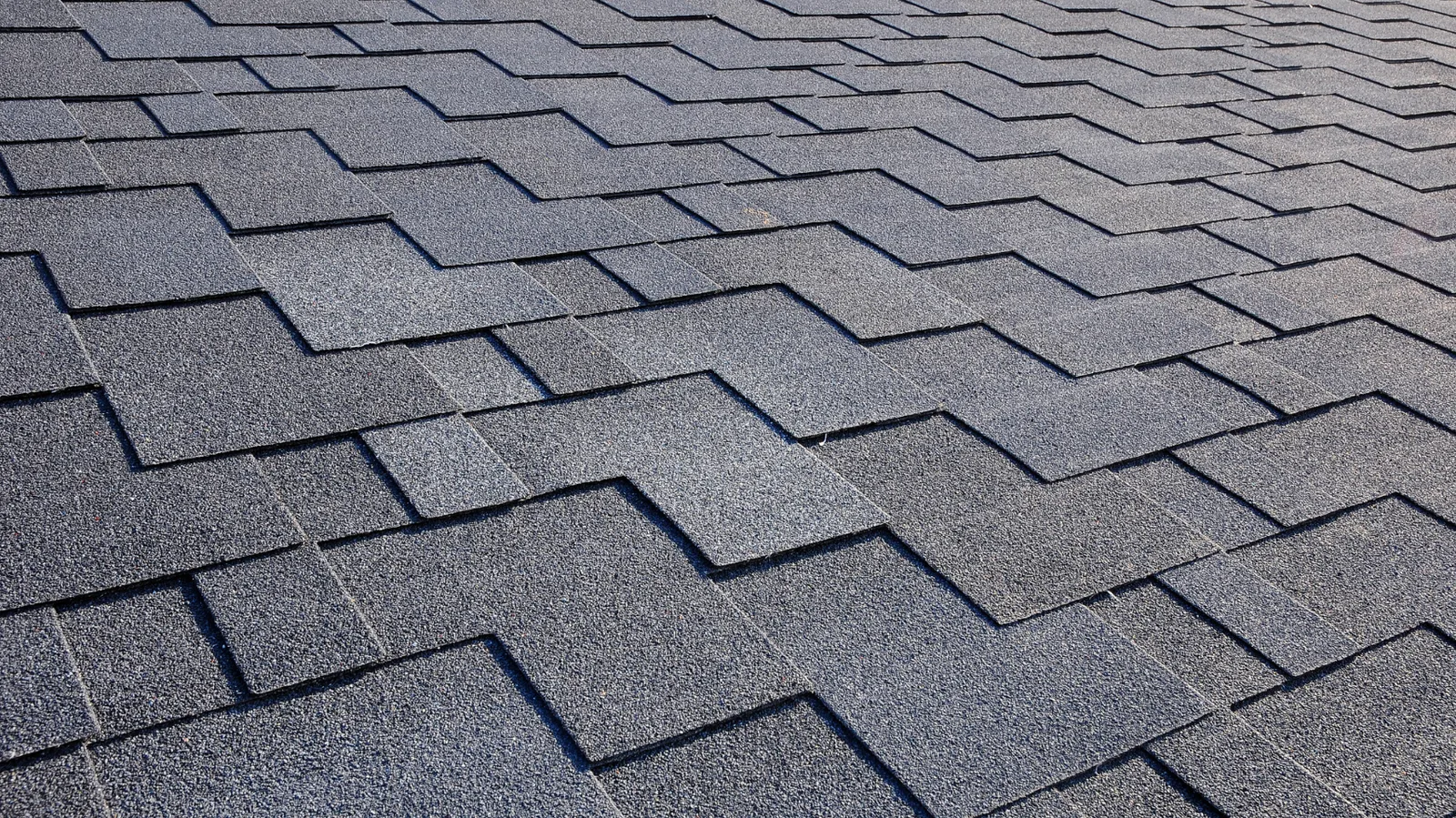
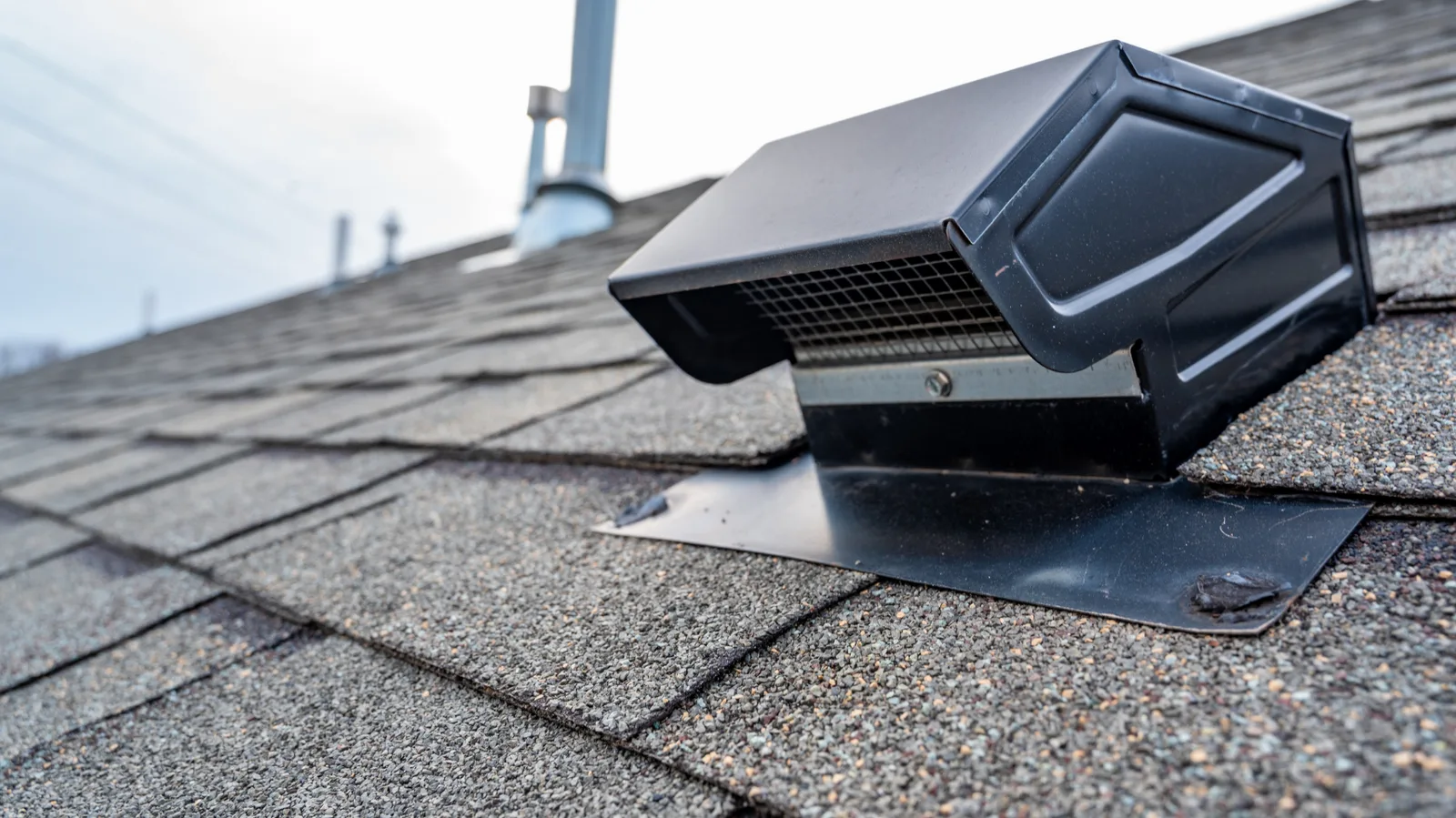
A shingle roof sheds water through overlapping courses. Flashing at a wall or pipe has to join that sequence, with upper layers directing water onto the layers below.
A proper repair therefore needs room to remove damaged material and integrate the replacement. A patch stuck on the top may conceal an opening without restoring the underlying connection. The condition around the repair determines whether that work can be completed reliably.
Sometimes the sensible work boundary is larger than one patch and smaller than the entire roof. A damaged slope can be considered separately when the remaining roof is serviceable.
A ridge, valley or other transition can provide a practical place to connect old and new work. The detail at that boundary still needs to be sound.
Keeping another slope only makes sense if its condition supports doing so. Similar exposure or broad deterioration may make a partial project less useful.
New material may not match weathered shingles exactly. A partial project can also leave separate roof ages and later work to plan. These are tradeoffs, not automatic reasons to replace everything.
Use the actual roof condition and the proposed work to make the decision.
Repeated repairs are a reason to investigate why the failures recur. If separate defects keep appearing in broadly deteriorated material, replacement may be more useful. If the original cause was never addressed, that cause still needs to be identified.
Possibly, if the retained roof is serviceable and the transition can be completed correctly. The condition, appearance and later connection need consideration before splitting the project.
Start by establishing what work is actually needed. A limited repair may be appropriate on a suitable roof, but a temporary measure should not be described as a permanent solution. The roof cost guide explains common budget factors.
No. A roof walk can assess visible condition, but concealed decking or other layers may remain uncertain until material is opened. That uncertainty should be part of the scope discussion.
Tell us what has changed or what keeps coming back. Request a free inspection before choosing between a repair and a replacement.