A blockage
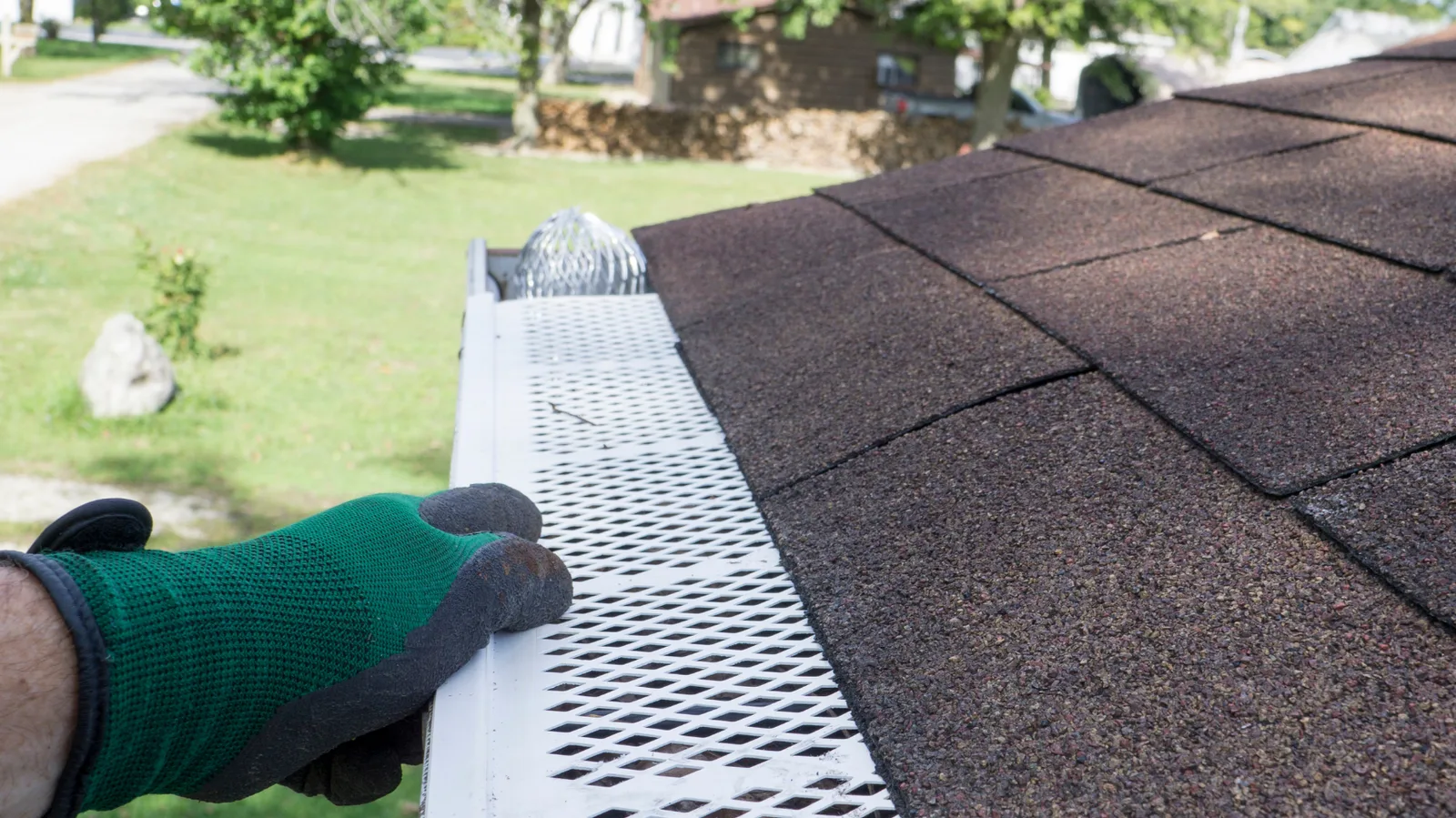
Leaves and debris can keep water from reaching an outlet. Guards may reduce some debris entry, but they do not remove every maintenance need.
Overflowing or loose gutters can point to more than a clogged channel. Get help understanding the roof edge and drainage needs at your Benbrook property.
A gutter collects roof water, carries it to an outlet and sends it away through a downspout. Each part has to work for the system to do its job. An overflowing corner may be caused by debris, a sagging run or an outlet that cannot handle the water reaching it.
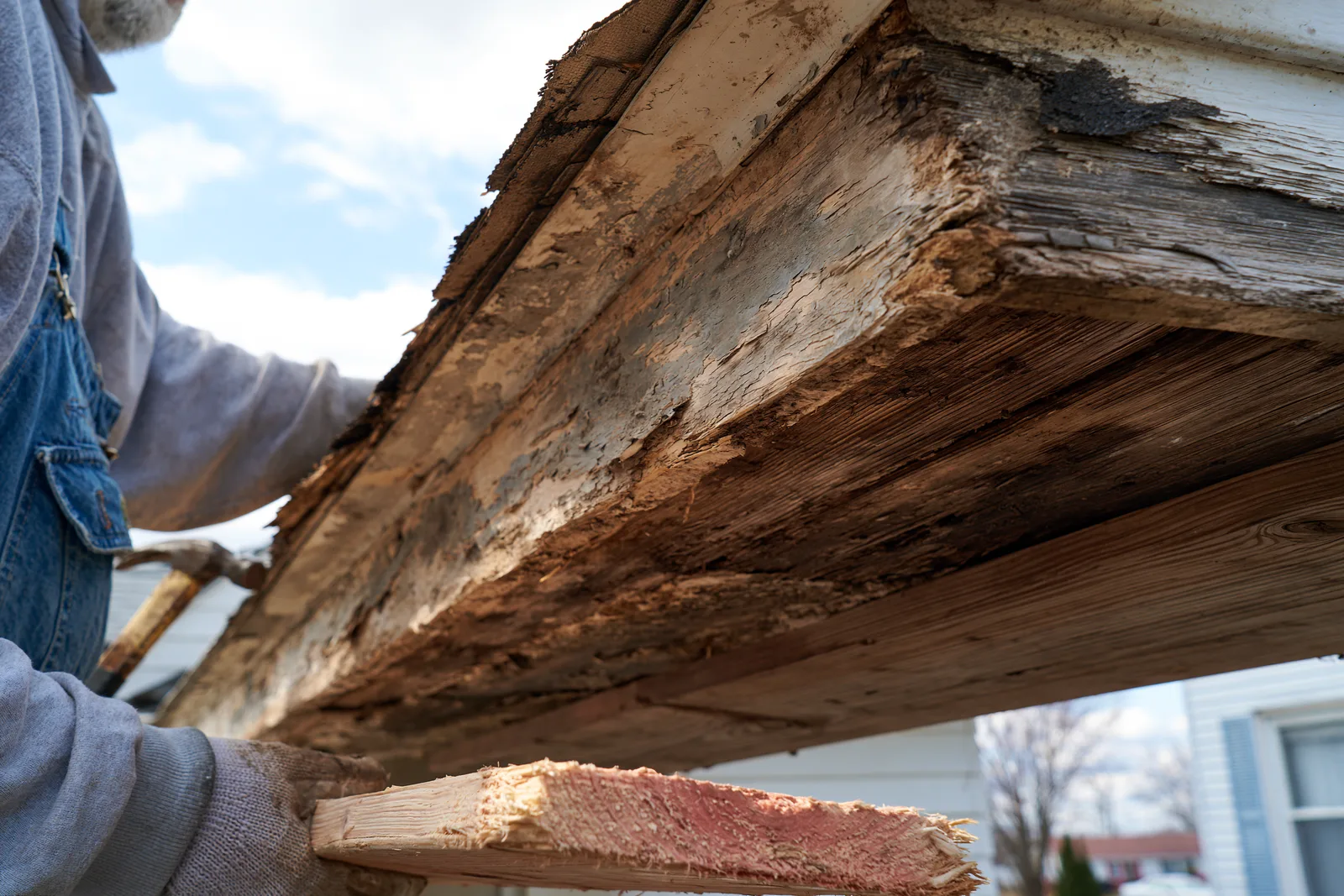
The condition behind the gutter matters too. Loose attachment can involve deteriorated fascia or roof-edge damage. Replacing the visible gutter without addressing that surface can leave the support problem in place.
Tell Benbrook Precision Roofing what happens during rain and where you see the issue. The roof edge and related work can be considered together.

Leaves and debris can keep water from reaching an outlet. Guards may reduce some debris entry, but they do not remove every maintenance need.
Sagging sections can hold water away from the downspout. Hanger spacing, attachment and the supporting fascia matter when restoring the run.
A long roof valley can concentrate water into a small area. Gutter and outlet sizing should fit the water reaching them, rather than only match what was there before.
Collecting water at the eave is only part of the task. Where the downspout releases it affects the ground and nearby surfaces below.
Water-stained or rotted fascia can require wood repair before the gutter is securely reattached. The roof edge, drip edge and gutter relationship also need to direct water into the intended path.
If roof replacement is planned, coordinate the edge and gutter work so new components can be installed without working against each other. The roofing scope and any separate drainage work should be clear.
A sound run with a failed joint, damaged outlet or isolated hanger problem may be repairable. The surrounding material still needs to hold the repaired connection.
Correcting support or pitch can help when the gutter itself is usable. The fascia must be sound enough for secure attachment.
Broad corrosion, repeated joint failures or a poor size and outlet arrangement can make a new run more sensible than continuing small fixes.
No. Performance depends on the guard, roof debris and conditions around the property. Small debris can still enter, and material can collect on the guard itself.
They can help control water coming off the roof, but grading, underground drainage and foundation issues may require other work. The downspout destination is part of the discussion, not a guarantee about the ground below.
They do not always need replacement at the same time. Their condition and the roof replacement scope determine whether coordinating the work makes sense.
Mention where water overflows, whether a section is loose and whether there is visible staining or wood damage. Safe observations from the ground are enough.

Describe the overflowing corner, loose run or roof-edge concern. Share the property location so the related roofing work can be discussed.