Access and tenant movement
Roof access, loading areas and entrances may need coordination. A repair over a public entrance presents different constraints from work over a closed storage area.
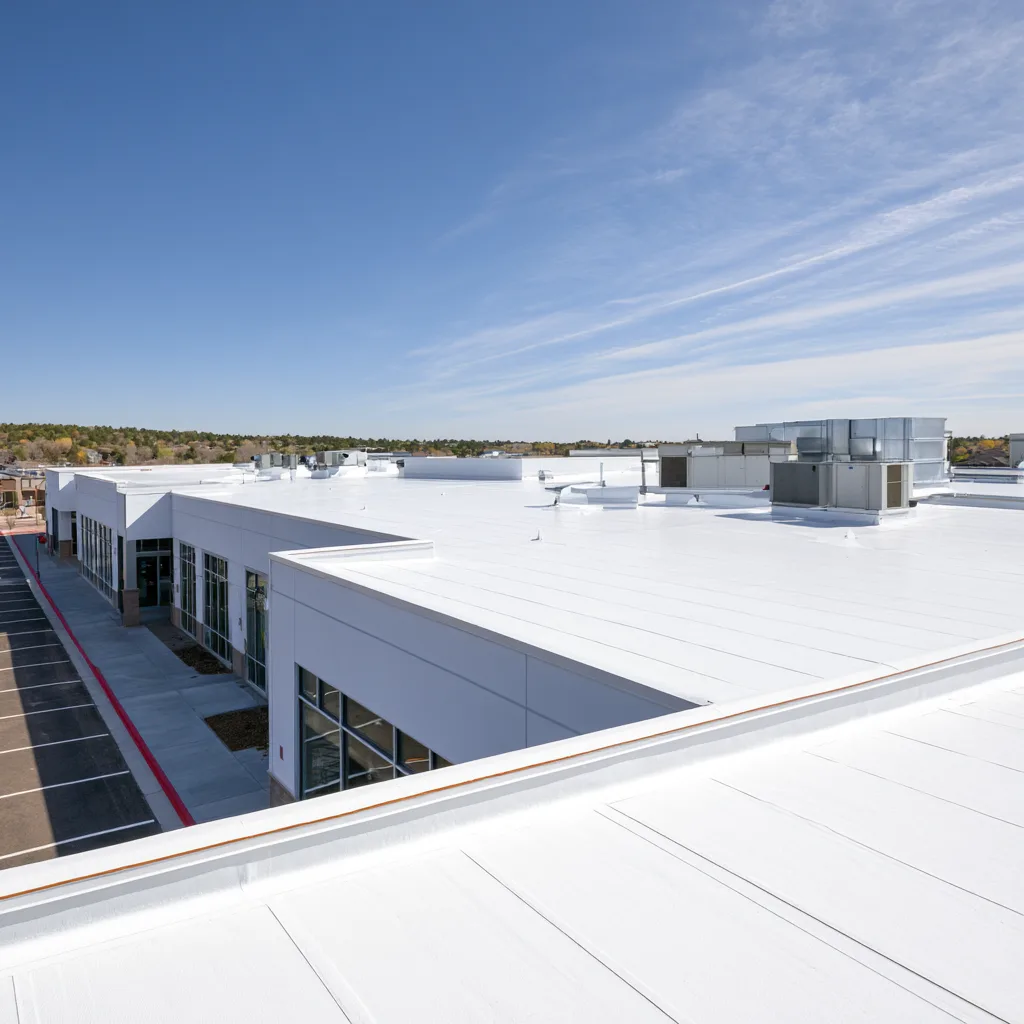
A commercial roof decision affects the space below it. Get help with repair, restoration and replacement questions for your Benbrook building, starting with a free roof inspection.
A leak above a tenant space is an immediate concern. The longer decision is whether the roof can be repaired, restored or needs replacement. That answer depends on the layers below the surface as well as the opening where water gets in.
Wet insulation, deteriorated decking and poor drainage can change a project that first looked like a membrane patch. So can equipment access, materials staging and the need to protect occupied areas below.
Benbrook Precision Roofing helps property owners begin with those practical questions. Tell us about the building, the roof concern and any access restrictions. A free roof inspection is a useful starting point for the work discussion.
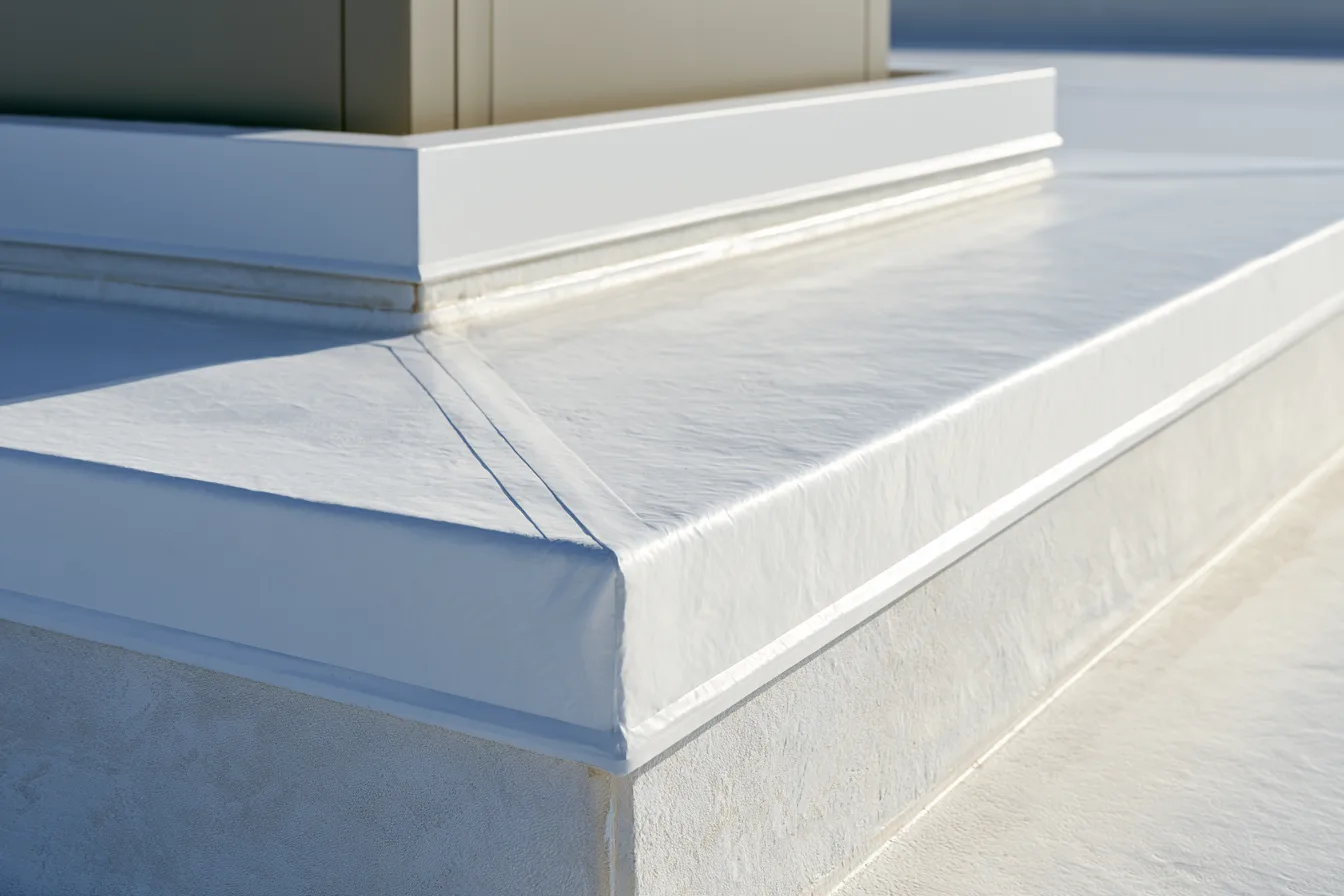
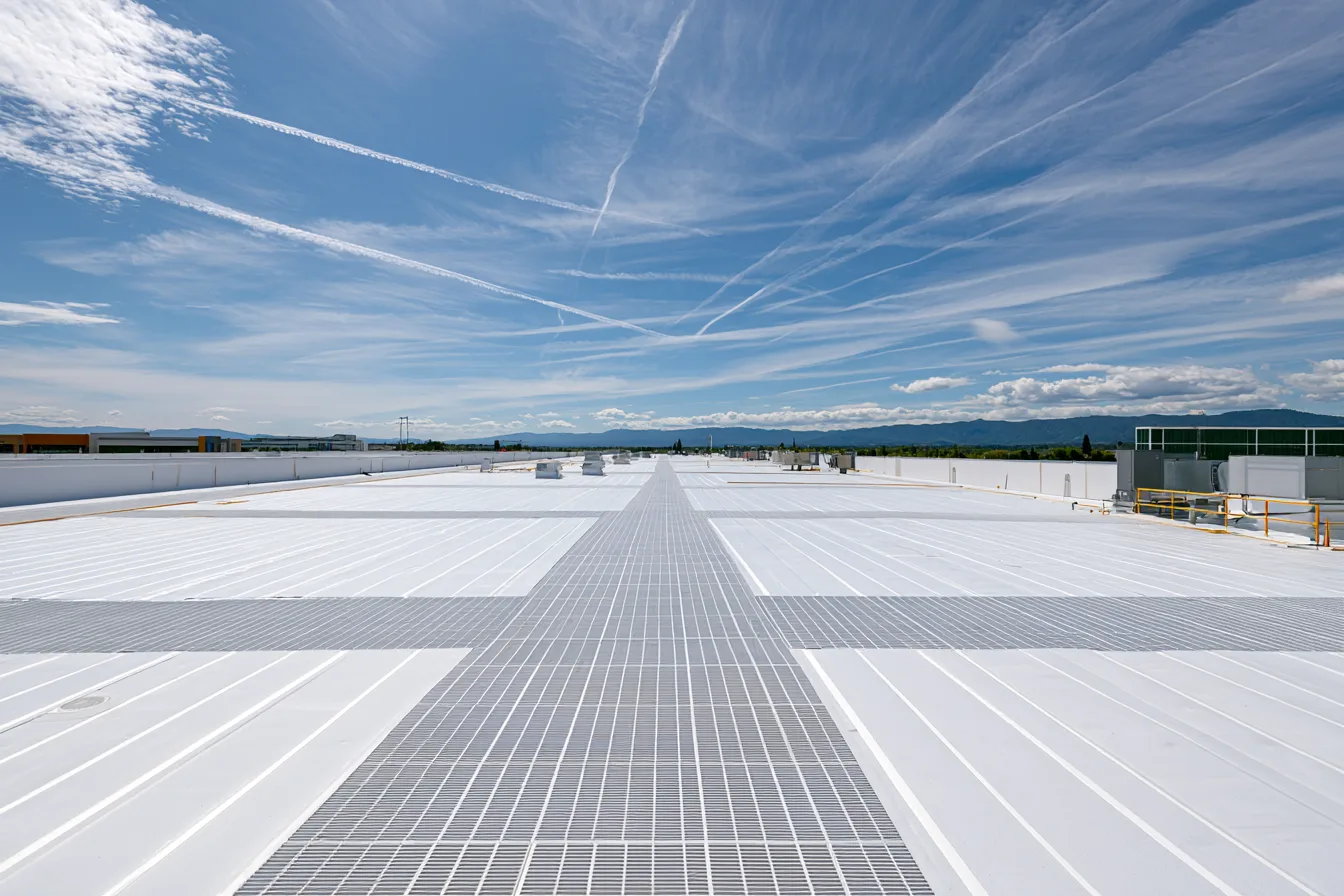
Examine welded seams, curbs, attachment and the insulation beneath the membrane.
Establish whether the existing substrate is a suitable candidate before choosing a restoration system.
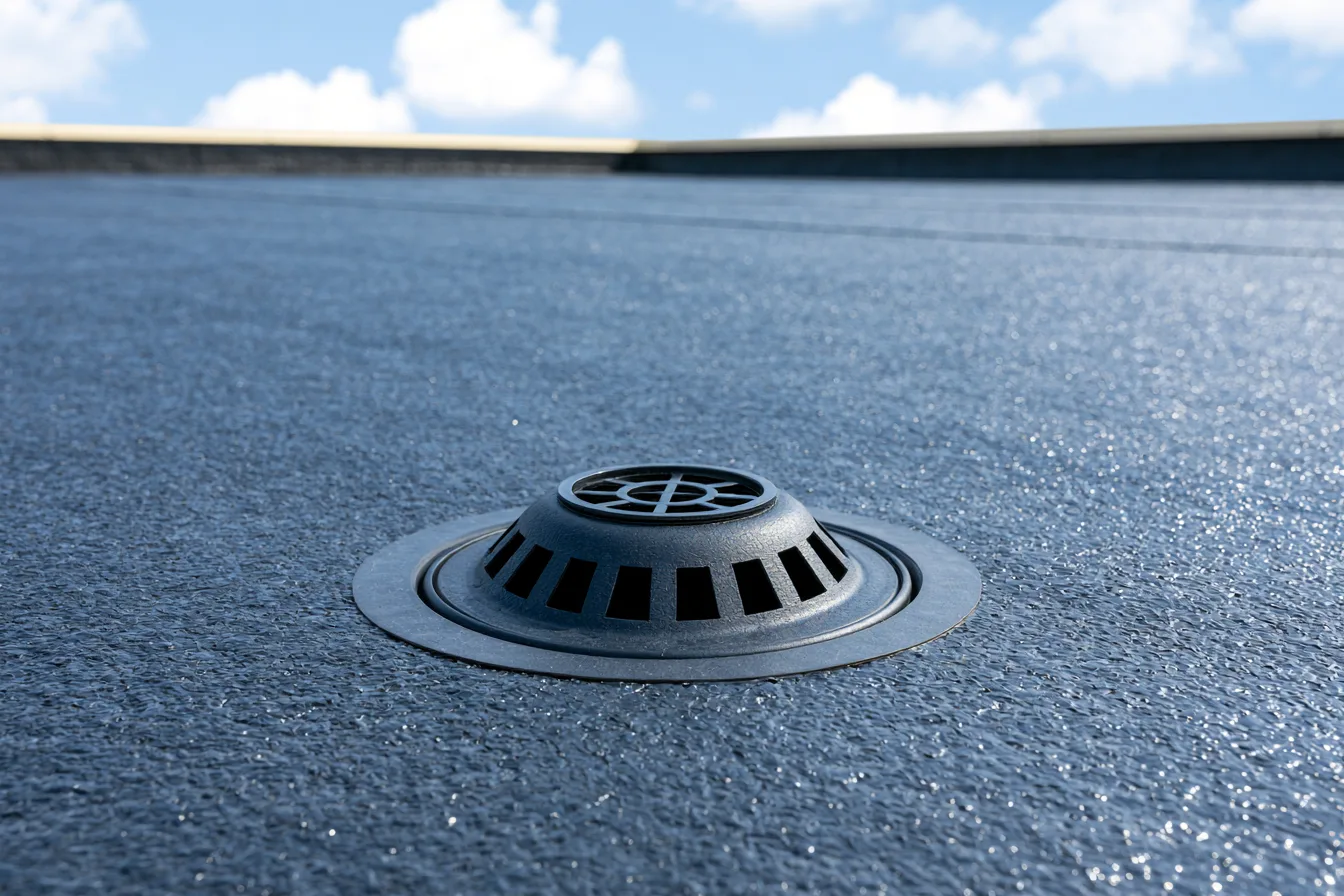
Connect membrane work to drains, penetrations, wet layers and the actual water path.
Use a larger roofing project to address assembly, drainage and recurring failure concerns.
Water can move along a deck flute or through layers before reaching an opening in the ceiling below. The indoor leak location is therefore useful evidence, but it is not always the location of the membrane defect.
A dry surface can also hide wet insulation. The investigation may need to go beyond visual observation when the symptoms and roof condition do not agree. Sealing the visible opening and understanding the affected layers are separate parts of a complete repair decision.
The property’s use changes how roofing work should be arranged. These details belong in the work plan rather than being discovered on the first day of installation.
Roof access, loading areas and entrances may need coordination. A repair over a public entrance presents different constraints from work over a closed storage area.
Equipment service routes, curbs and drains affect the roof. Roofing and mechanical work may need separate qualified trades and an agreed sequence.
Material storage, tear-off debris and areas opened during work should fit the building and weather conditions. No standard duration applies to every roof.
Sensitive inventory, equipment and occupied rooms need to be considered when determining the roof work and any interior precautions.
Share records if they are available. Missing paperwork does not prevent you from requesting help.
No. The roof must be a suitable, sound substrate, with wet material and failed details addressed first. The roof coating page explains the suitability checks.
That depends on the scope, access and activity below. Some work can be arranged around operations; other conditions may require restrictions. Discuss the building use before a schedule or method is settled.
Area, tear-off, deck repairs, insulation, attachment, drainage, equipment details and access all affect the total. A membrane price alone does not describe the installed project.
You can request a free roof inspection. Include the building location, roof access information and the concern so the next step can be discussed.
Share the building location, the roofing issue and how the property is used. Start the work discussion with a free roof inspection.