Required components
Enhanced coverage can depend on specified accessories and installation details. A premium shingle alone may not qualify the whole roof.
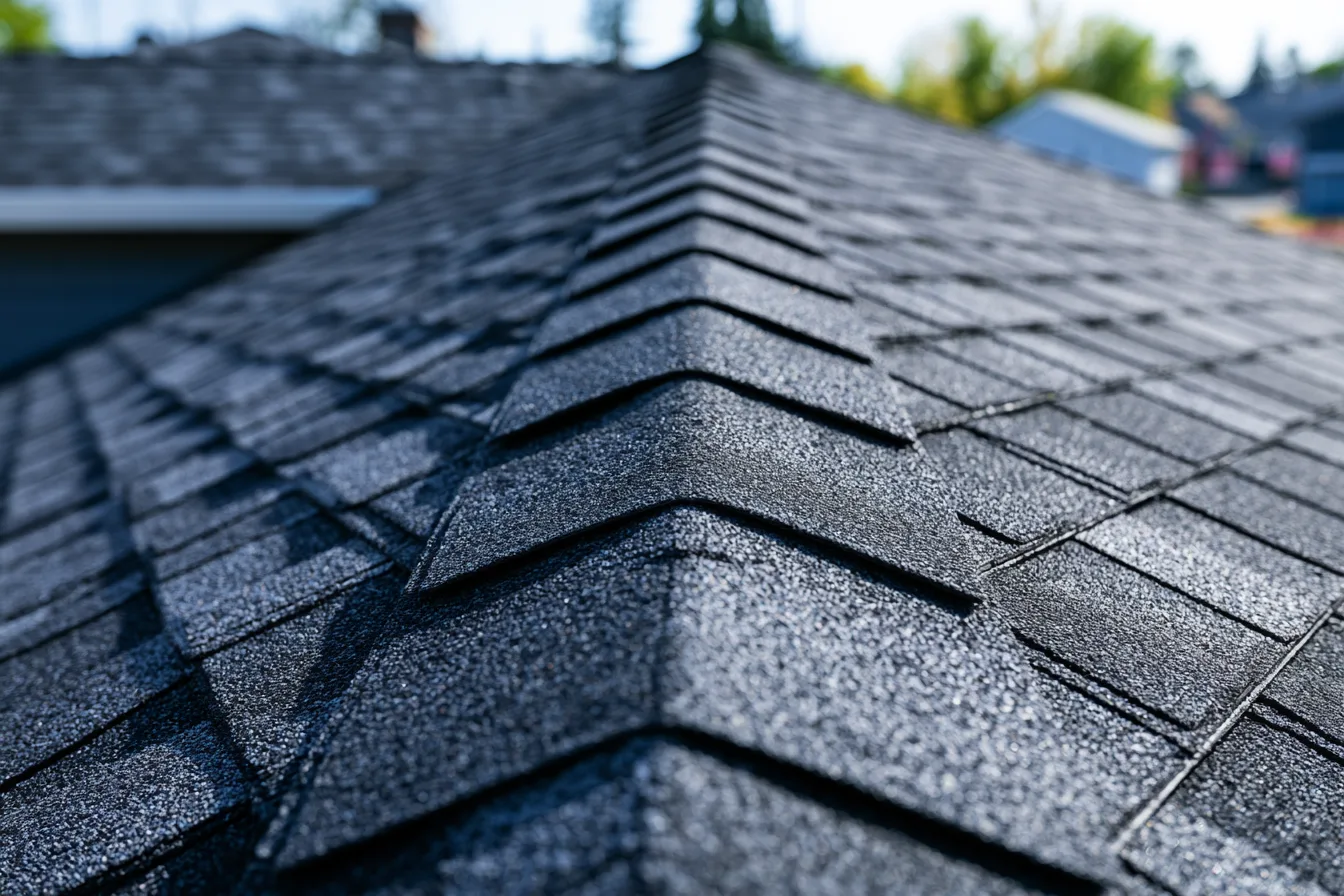
A roofing warranty is useful only when you know what failure it covers. Understand materials, workmanship, system terms and exclusions before relying on a long headline term.
When a leak occurs, “the roof is under warranty” is only the start of the question. The cause of the leak and the terms of the specific promise decide what help may be available.
Compare the written product coverage with the installation warranty. Then check who handles a claim, what costs are excluded and which records you need to keep. The guide below explains those distinctions so you can review the terms proposed for your roof.
These are general categories, not a warranty offered by Benbrook Precision Roofing.
A warranty may treat the first part of its term differently from later years. Prorated coverage can reduce the remedy as the product ages. Labor, tear-off, disposal or other expenses may be included only under particular terms, or excluded.
The cause of the problem also matters. A material defect, installation error, storm event and damage from another trade are different failures. A long term does not make all of them the responsibility of one issuer.

Enhanced coverage can depend on specified accessories and installation details. A premium shingle alone may not qualify the whole roof.
Some terms require registration, documentation or a qualifying installer. The actual project must meet those conditions, not merely use a named product.
Alterations, rooftop equipment, traffic and drainage maintenance can affect coverage. The written terms explain the applicable obligations.
Coverage may change when ownership changes, with deadlines or limits on transfer. The product name alone does not establish what a buyer receives.
Know which written promise concerns the product and which concerns installation.
The product, installed components and any required registration should correspond to the actual roof.
Keep the project and warranty information together so a later concern can be directed to the appropriate party.
Coverage depends on the terms. An impact rating does not create a hail-damage warranty. Storm loss may instead be a question for the insurance policy and its covered causes.
No. “Lifetime” is defined within the warranty and may depend on ownership and property type. It is not a prediction of how long every roof will remain serviceable.
It can. Penetrations, alterations or incompatible repairs may fall outside the original system requirements. The issuer’s terms and approved repair details matter.
Not automatically. Repair compatibility, cause of damage and notice requirements may affect coverage. A roof can need work even when a warranty does not cover its cost.
Tell us about the existing roof or the project you’re considering. Request a free inspection to connect the roof’s condition with the next work decision.