A failed pipe seal
The repair needs to address the boot and its integration with the roof covering, including any damaged material below.
Water inside needs a closer look at where it entered. Tell us about your leaking Benbrook roof and request a free inspection to understand the repair.
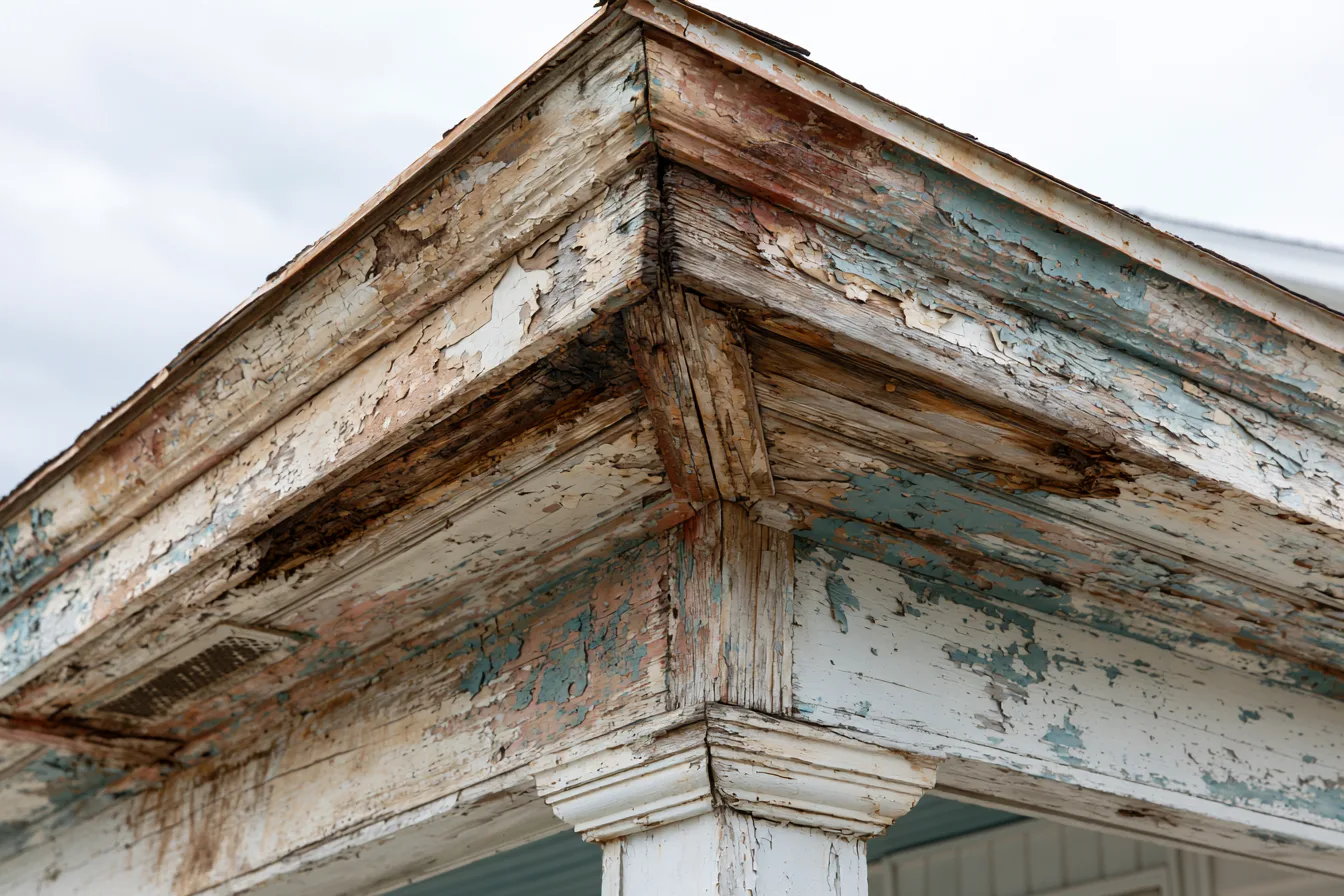
The drip above a room is where water became visible. Its entry point can be farther up the roof, where a pipe boot, wall flashing or damaged shingle let it beneath the covering.
Water may travel along decking or framing before it reaches a ceiling opening. That is why patching the spot directly above the stain can miss the cause. Plumbing, condensation and cooling equipment can also create moisture that looks like a roof leak.
Benbrook Precision Roofing can help you begin with the roof side of the problem. Share when the water appears and where you see it, and request a free inspection.
If there is immediate danger to people or the building, use the appropriate emergency service. An online roofing request is not an emergency-response line.
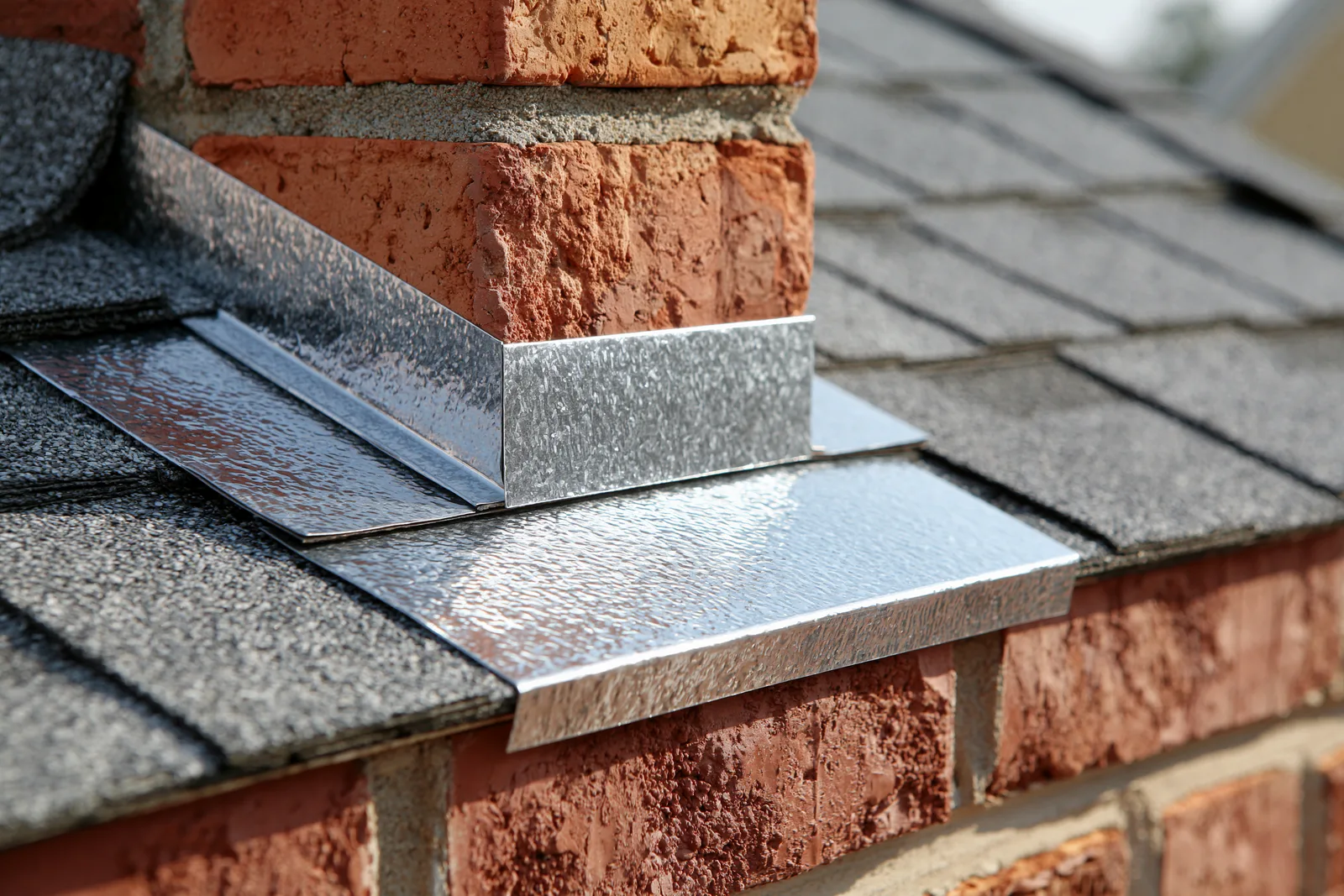
A roof-to-chimney joint shows why the water path matters. The covering must lead into flashing that carries water around the obstruction and back onto the roof. Water entering behind that connection can show up well away from the chimney inside.
The examination should relate the indoor location to the roof slope, penetrations and transitions above it. If the roof is dry during the visit, stains, material condition and the pattern of the leak can still help. A dry-day inspection cannot reproduce every wind-driven rain event.
The repair needs to address the boot and its integration with the roof covering, including any damaged material below.
Concentrated water flow makes correct laps and flashing especially important. Debris or a defect higher up the transition can influence the leak location.
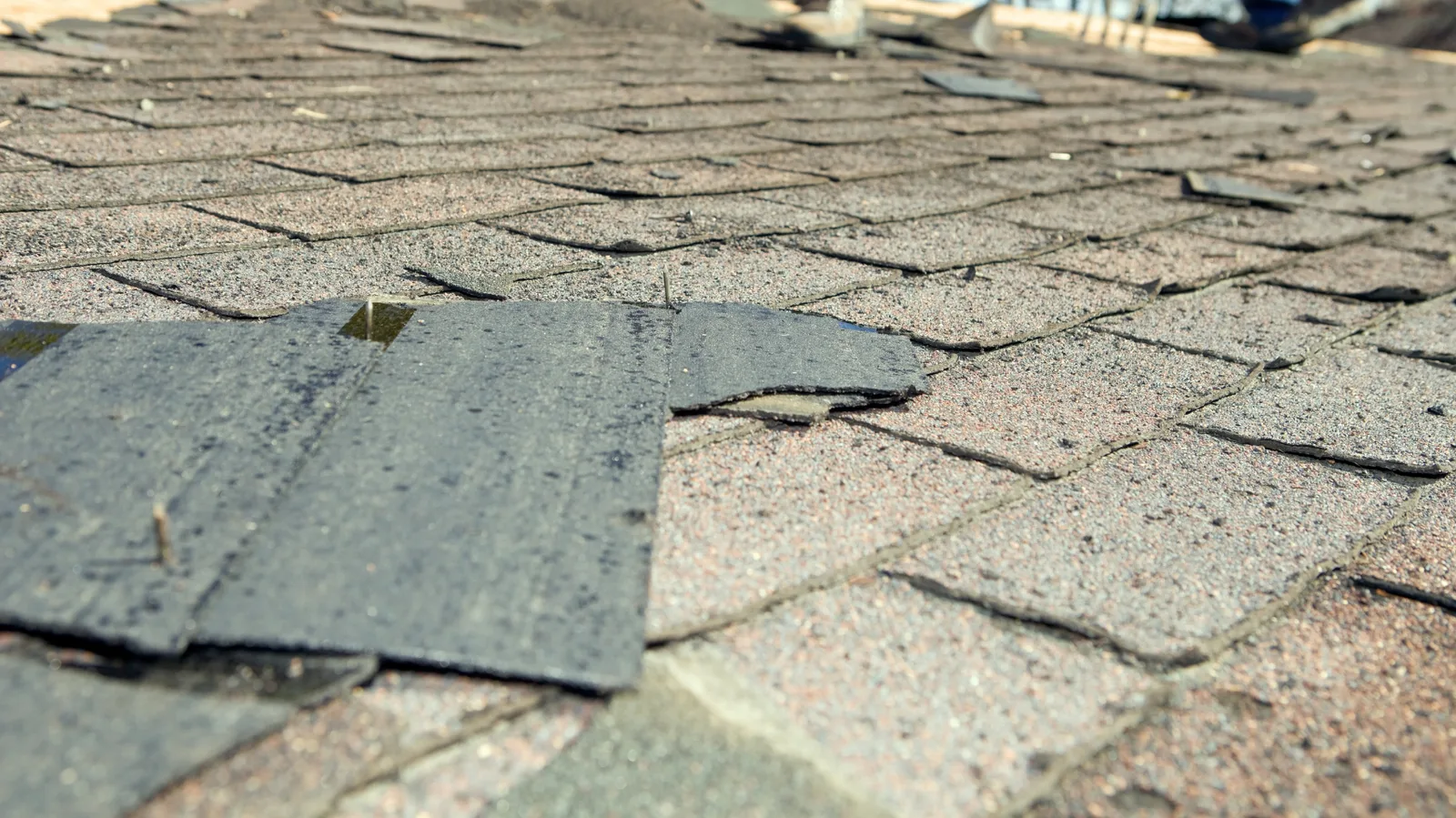
Replacing the visible shingle may be only part of the job if water has reached the deck or adjacent shingles break during removal.
A repeated leak calls for checking the original failure, surrounding material and other possible openings. Adding another layer of sealant does not explain why the first repair failed.
Rain direction and volume can expose a weak transition that stays dry in lighter weather. The timing is useful information, but it does not identify the exact opening by itself.
A regional leak-repair example is $400–$1,200, with larger or concealed repairs costing more. It is not a quote for your roof. The cost guide explains the source and the work those examples can leave out.
A temporary cover is protection, not a completed roof repair. Its suitability depends on access, weather, attachment and the area affected.
The original opening, surrounding roof and non-roof sources all need consideration. A fresh roof inspection can put the repeated symptom in context.
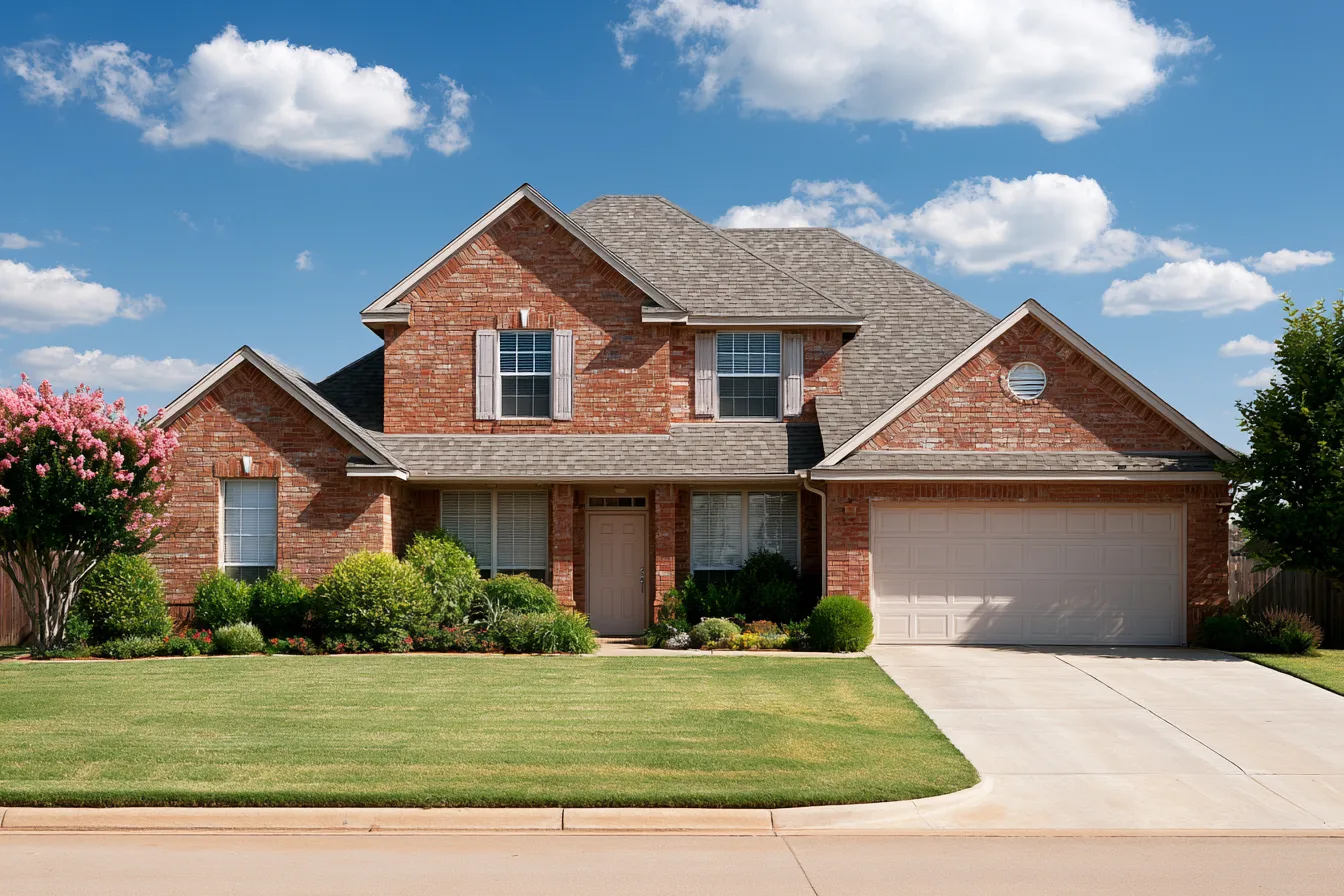
Tell us where the water appears, when you notice it and the property location. You don’t need to find the opening yourself.