Seams and laps
Open or deteriorated joints require a repair method compatible with the existing membrane. The condition of the material alongside the opening determines the usable work area.
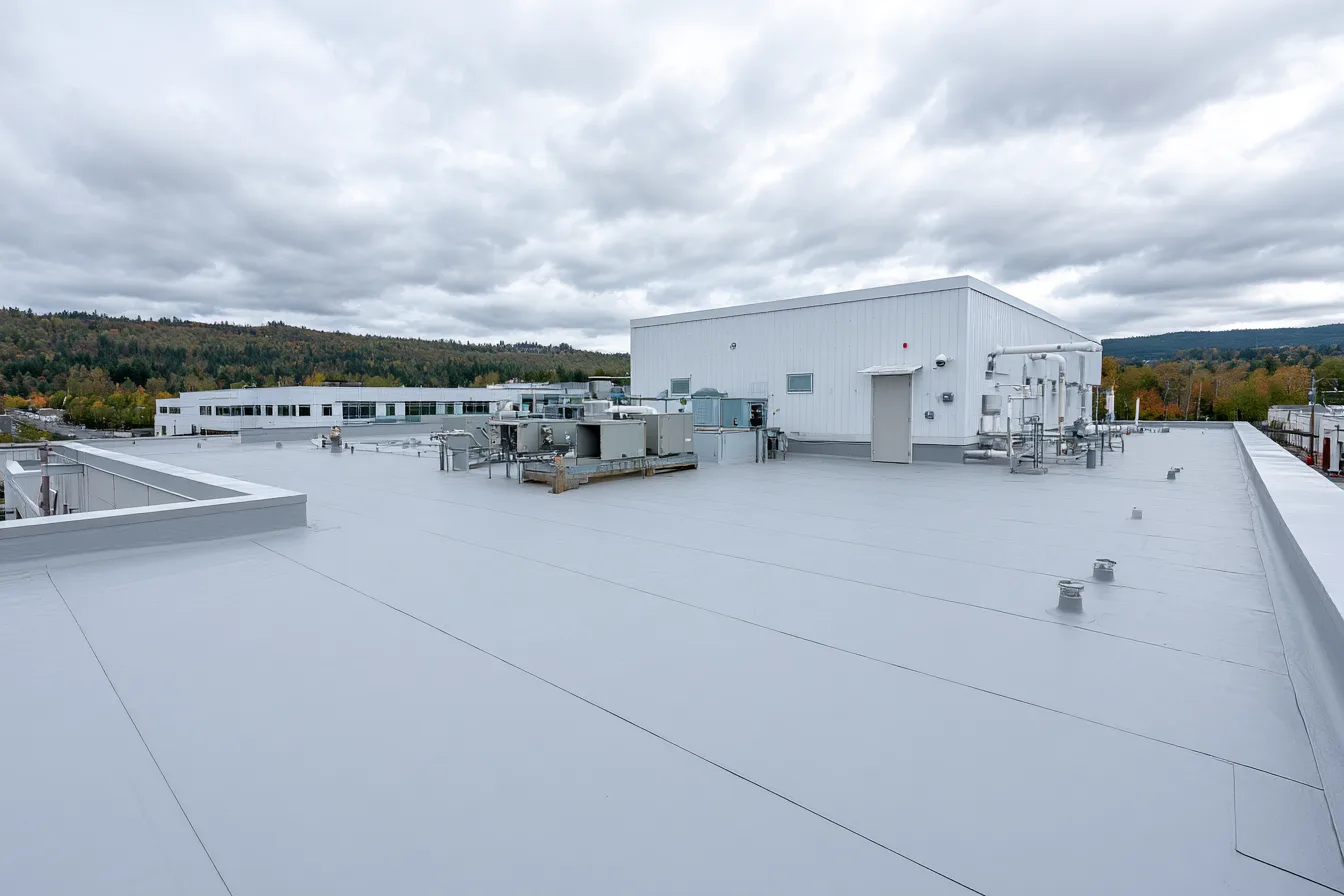
Flat roof repair starts with the entry point and the water path around it. Get help with low-slope roof leaks, drains and membrane concerns in Benbrook.
A low-slope roof holds water differently from a steep shingle roof. Small openings at seams, curbs or drains can matter while water remains nearby, and the leak may emerge indoors some distance from where it entered.
The repair needs to address both the failed detail and any affected layers. Clearing a blocked drain may help the water leave, but it will not seal an existing membrane opening. A patch may close the opening while leaving a drainage problem unresolved.
Begin with what you’ve noticed inside and how the roof is used. A free inspection can put those two parts of the problem together.
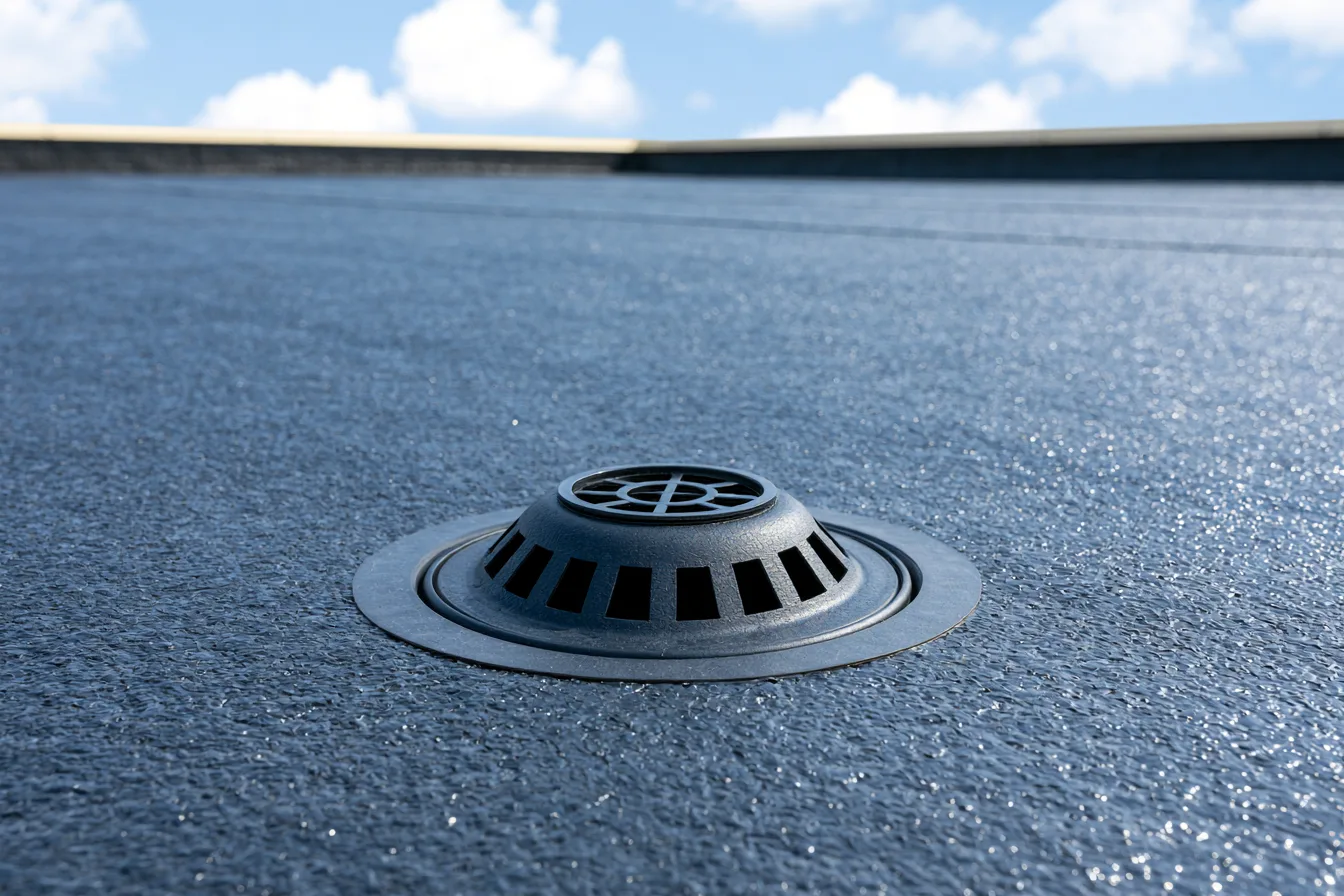
“Flat” roofs should still have a drainage design. Water may leave through internal drains, scuppers through a parapet or roof edges. Debris, blocked outlets and low areas can interrupt that path.
Correcting a larger drainage problem can involve tapered insulation or changes to details and elevations during more extensive work. A surface patch cannot change the slope of the assembly beneath it. The roof’s drainage and waterproofing need to be considered as connected tasks.
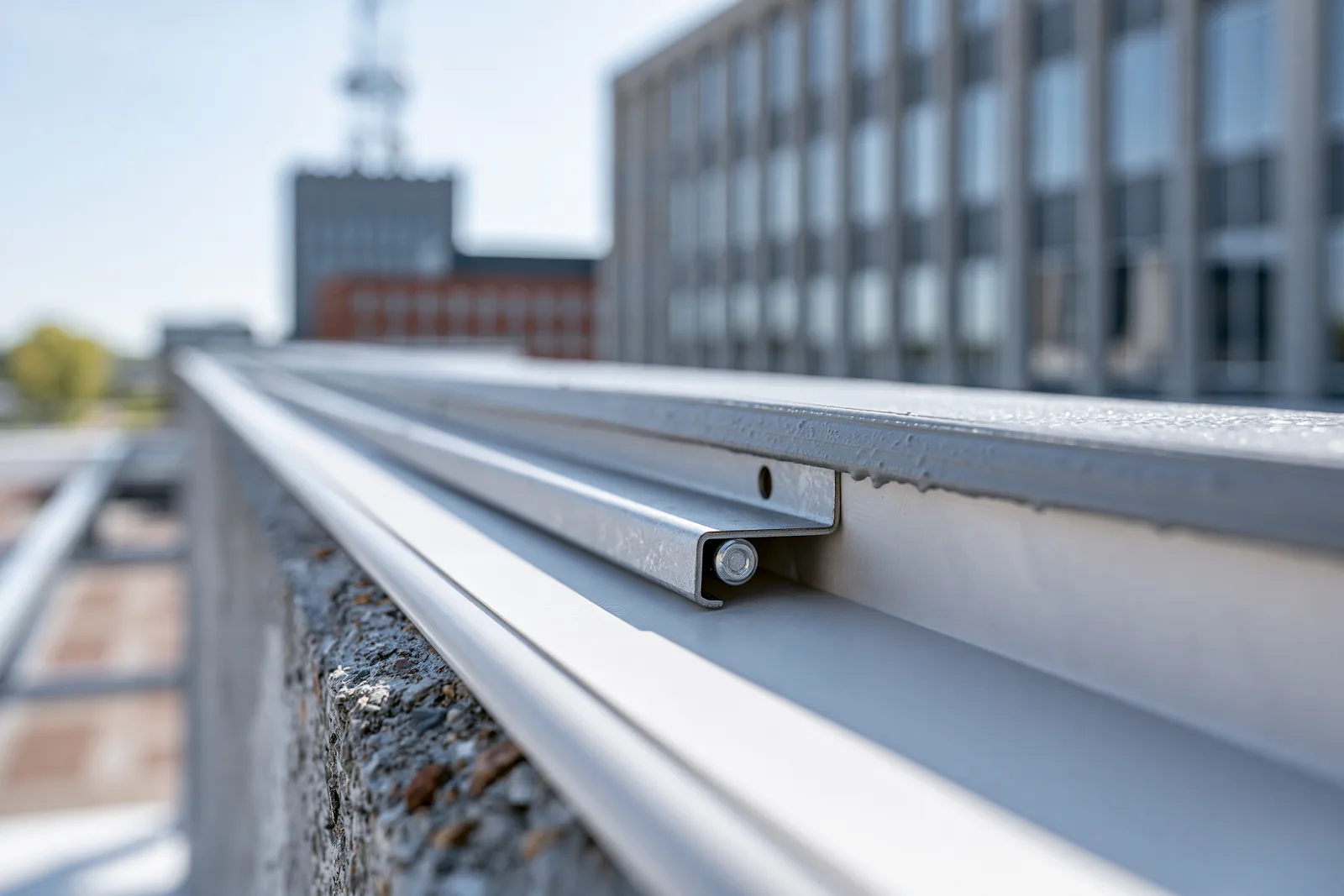
Open or deteriorated joints require a repair method compatible with the existing membrane. The condition of the material alongside the opening determines the usable work area.
Raised openings need flashed corners and sound terminations. Mechanical activity can disturb nearby roof components, so the source may involve more than the roof field.
A drain connection or edge termination has to remain watertight while directing water off the roof. Loose attachment and damaged flashing can admit water.
Punctures or abrasion may recur if the reason for the damage remains. Equipment-service routes and walkway protection can belong in the repair discussion.
When leak locations multiply or wet material extends beyond localized repairs, replacement may address the condition more completely. The decision should follow the assembly, not simply the number of old patches.
No. Water can remain on an intact surface. It is still a drainage condition to evaluate because the selected system and assembly have limits, and openings under retained water can be consequential.
No. Repair materials must be compatible with the membrane and the proposed detail. An unsuitable product can impair later repair or fail to bond properly.
Recover may be possible only under suitable conditions. Wet layers, deck condition, attachment, weight and applicable requirements matter. The commercial replacement page explains the distinction.
The roof scope and any interior drying or restoration are separate. The leak source needs to be resolved, and affected interior materials may require the appropriate additional work.
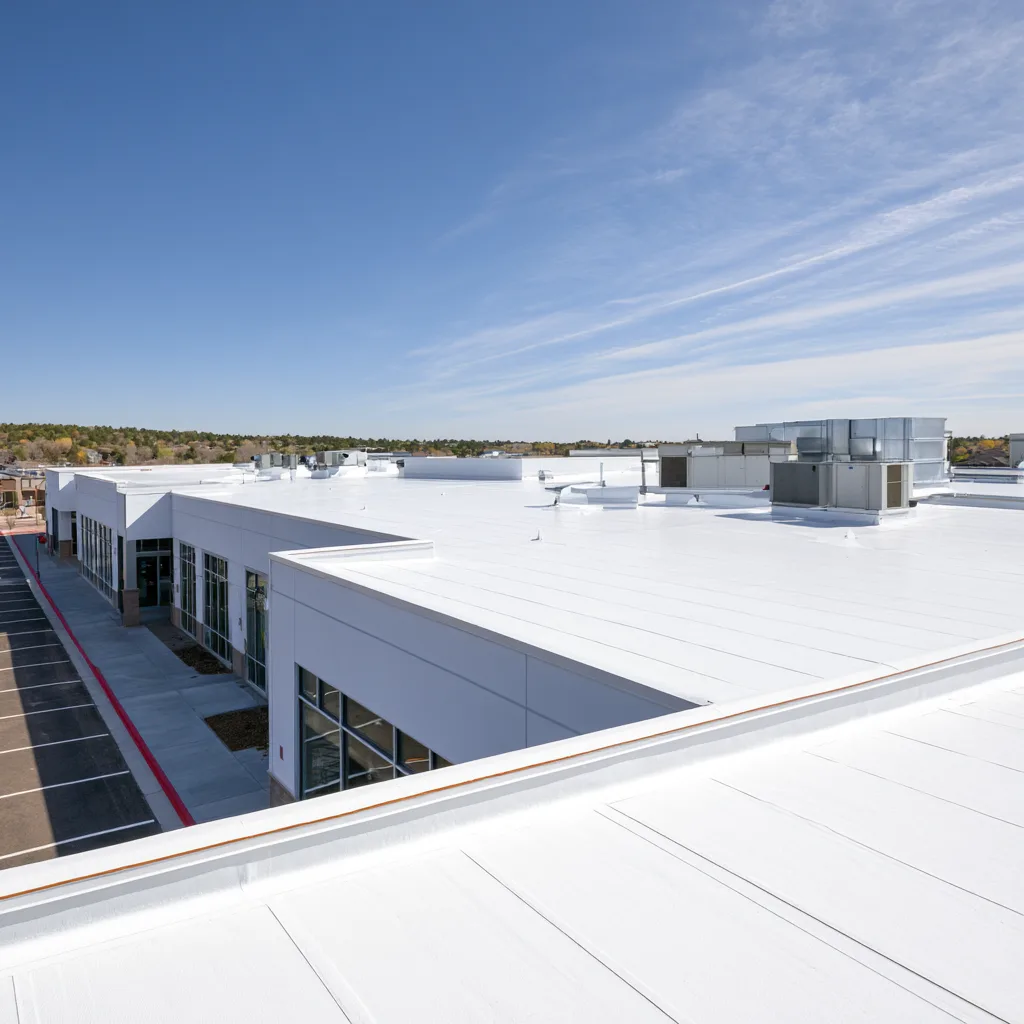
Tell us where the water appears, what type of space is below it and how the roof is accessed. Request a free inspection to begin.